Admin

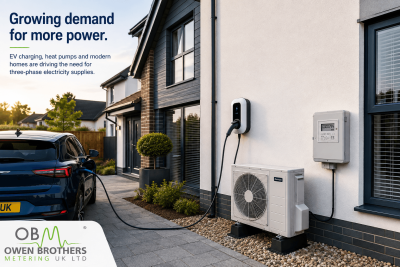
Three-Phase Electric Meters: What They Are, Who Needs One and What It Costs in the UK
Three-phase electricity supplies have traditionally been associated with commercial and industrial premises, where higher power requirements make them more suitable than a standard single-phase supply.
Gas and Electric Meters UK: Do You Need Separate Meters? 2026 Guide
If you're managing a property with both gas and electricity supplies, understanding how each utility is metered is essential, particularly if you're responsible for tenant billing, sub-metering or specifying new metering equipment. While every property has separate gas and electricity meters, additional sub-meters may be required to accurately measure energy consumption for individual tenants or areas of a building.
How to Read a Digital Sub-Meter: Commercial and Industrial Guide
Reading a digital sub-meter correctly is essential for accurate tenant billing, energy cost recovery, and consumption monitoring across commercial, industrial, and multi-tenancy properties. Whether you are managing a single phase DIN rail meter in an HMO or a three phase CT operated meter on an industrial supply, understanding how to interpret the display is the foundation of reliable energy management.
Smart Meters for Businesses UK 2026: Why Sub-Metering is the Better Option
If you manage a commercial property, an HMO, an industrial unit, or a multi-tenancy building in the UK, chances are you have been told to get a smart meter. Energy suppliers had an obligation to offer smart meters to all eligible small businesses by the end of 2025, and the government is now pushing towards complete rollout by 2030.
Complete Guide to Electric Meter Types in the UK 2026
Understanding the different electric meter types used across the UK matters for homeowners, landlords, businesses, and property managers. The type of electricity meter installed in your property affects how energy consumption is measured, how you are billed, and which tariffs you can access.