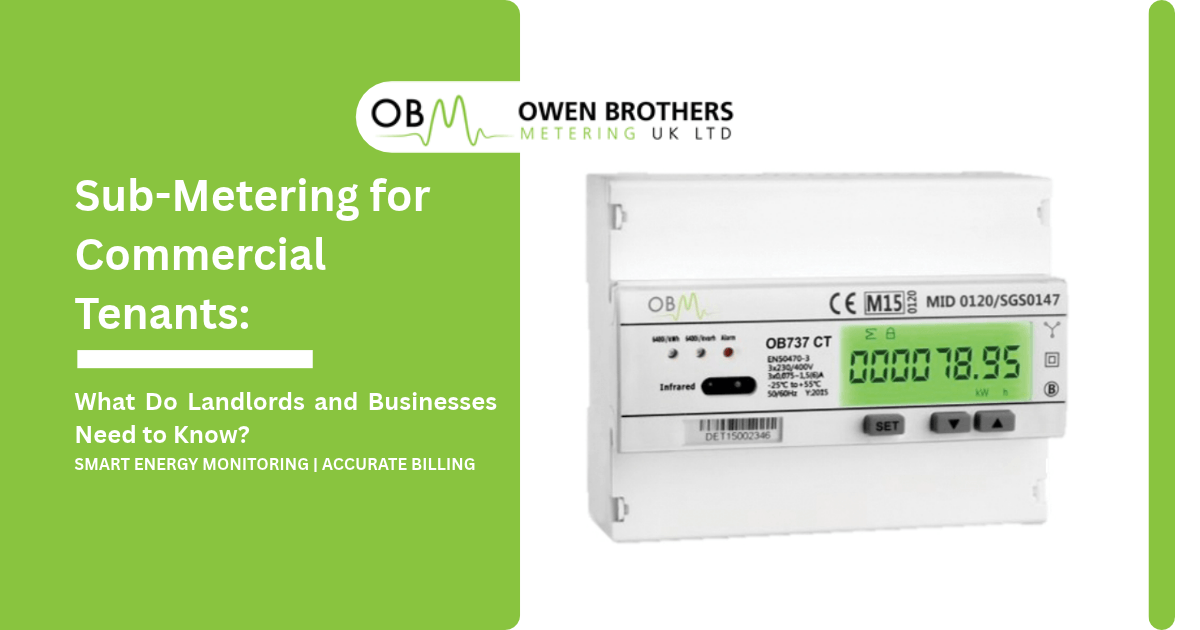
Sub-Metering for Commercial Tenants: What Do Landlords and Businesses Need to Know?
If you own or manage a commercial property with multiple tenants, it's important to have a reliable way of measuring how much electricity each business uses.
Whether you're managing offices, workshops, retail units or industrial premises, installing electricity sub-meters can help ensure each tenant is charged for their actual consumption rather than relying on estimated usage or splitting costs equally.
There are also a few differences between sub-metering commercial and residential properties, particularly when it comes to billing arrangements, meter requirements and the type of equipment needed.
In this guide, we'll look at the main considerations when choosing a commercial sub-metering system and how the right equipment can make managing electricity usage much easier.
How Does Commercial Sub-Metering Work?
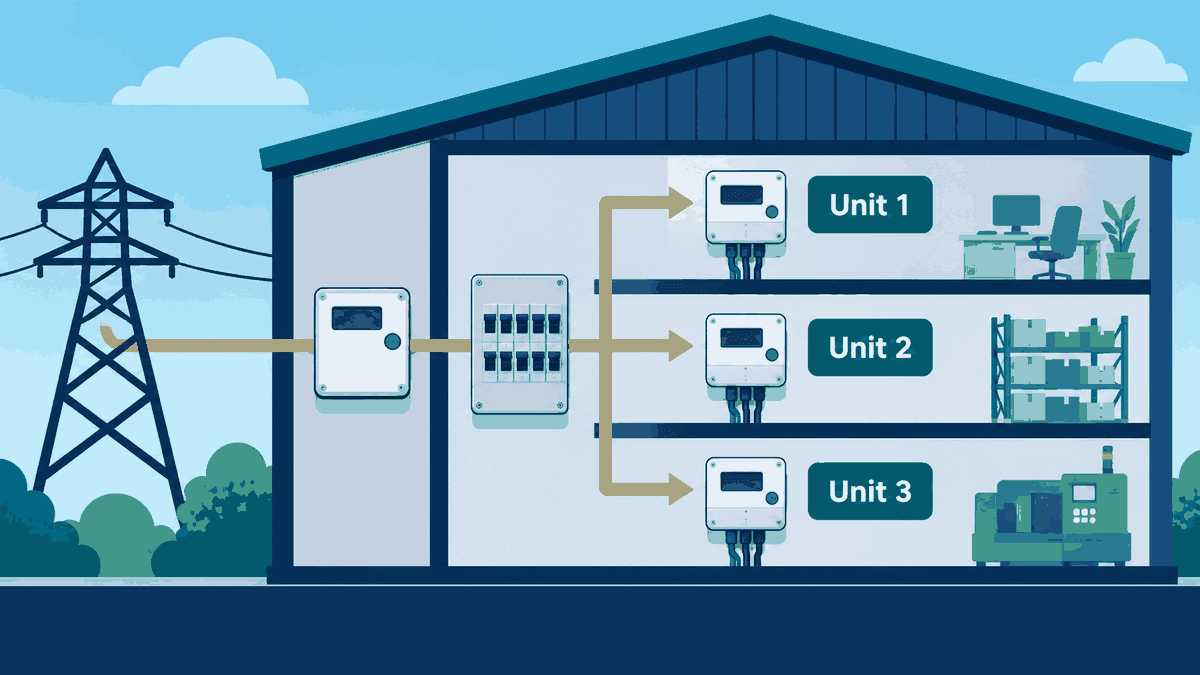
Commercial sub-metering involves installing individual electricity meters to measure consumption in different areas of a building or across separate business units.
For example, a landlord with several businesses operating from one site may receive a single electricity bill from their energy supplier.
By installing sub-meters for each unit, the landlord can record individual electricity usage and calculate charges based on the electricity each tenant has consumed.
This can be particularly useful in buildings where different businesses have very different energy requirements.
A workshop operating machinery throughout the day is likely to use considerably more electricity than a small office, so dividing the electricity bill equally may not provide a fair reflection of actual consumption.
Sub-metering provides a more accurate and transparent way of allocating these costs.
Are There Different Rules for Commercial and Residential Tenants?
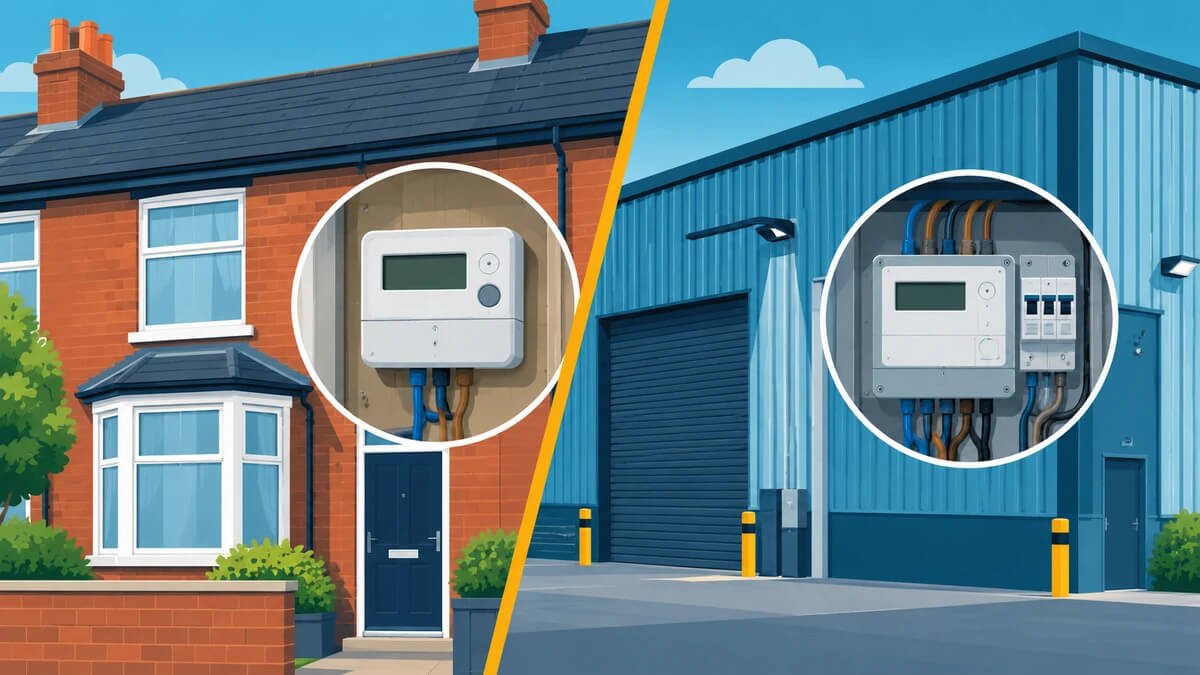
Yes. One important difference relates to the rules surrounding the resale of electricity.
Ofgem's Maximum Resale Price rules generally apply where electricity is resold for domestic use. These rules are intended to prevent domestic customers from being charged more for their electricity than the reseller is permitted to recover.
For purely commercial premises, these rules generally do not apply in the same way. Instead, electricity recharging arrangements are usually determined by the terms of the commercial lease or service charge agreement.
Landlords and managing agents should therefore check their agreements to ensure the method of charging tenants is clearly explained and appropriate for the property.
It's also worth being aware that Ofgem opened a review of the gas and electricity resale rules in October 2025, so landlords should check the latest guidance when reviewing their billing arrangements. Further information is available from Ofgem's Maximum Resale Price guidance.
Do Commercial Sub-Meters Need to Be MID Approved?
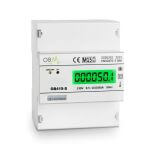
If electricity meter readings are being used to calculate charges to tenants, it's important to select meters with the appropriate approval for billing purposes.
For most standard commercial sub-metering applications, this means choosing an MID-approved electricity meter.
MID-approved meters have been assessed against the relevant accuracy and performance requirements, providing confidence in the readings used for billing.
At Owen Brothers Metering, we supply a range of MID-approved single-phase and three-phase electricity meters suitable for commercial sub-metering applications.
We can also provide datasheets and relevant certification to help customers select the correct equipment.
You can find further information about electricity meter approval requirements on the UK Government website.
Choosing the Right Electricity Meter for a Commercial Property
The most suitable meter will depend on the electrical supply, current rating and the number of areas or tenants that need monitoring.
Single-Phase Electricity Meters
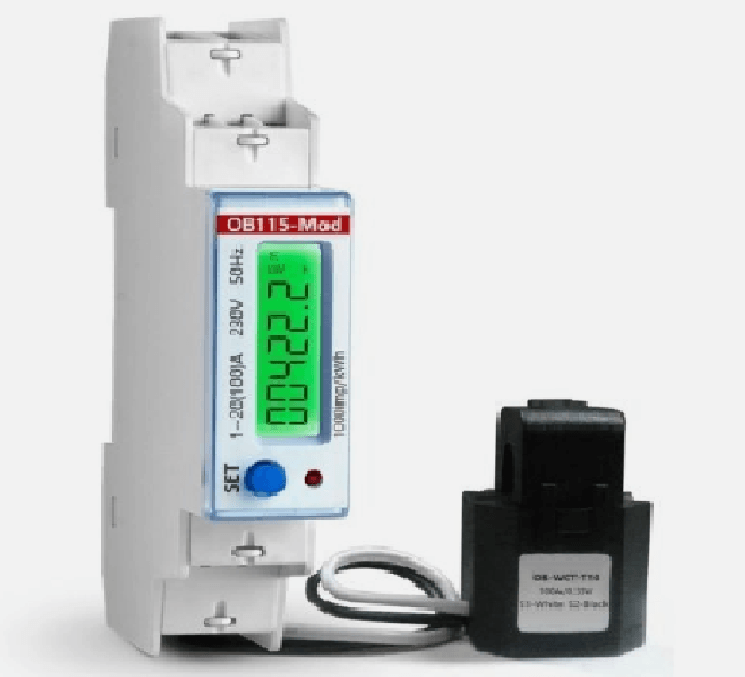
Single-phase meters are commonly used in smaller commercial premises, including offices, shops and individual units with single-phase supplies.
These meters are available in different current ratings and with various communication options, depending on whether manual or remote readings are required.
Three-Phase Electricity Meters
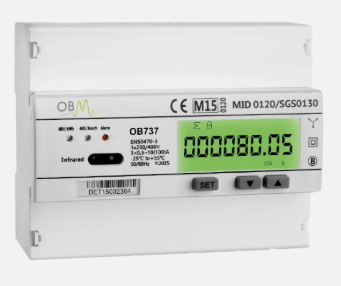
Larger commercial premises, workshops and industrial units often have three-phase electricity supplies. Depending on the current rating, these installations may require either a direct-connected meter or a current transformer (CT) operated meter.
Direct-connected meters are suitable where the supply is within the meter's rated capacity. For higher-current installations, CT-operated meters use current transformers to measure the electrical load without passing the full supply current through the meter.
It's important that the correct CT ratio is selected and configured to ensure accurate readings. You can read more about the different options in our guide to three-phase electricity meters.
Split-Core CTs and Rogowski Coils
In existing commercial buildings, access to cables and distribution boards can sometimes be restricted. Split-core current transformers can be a useful option for retrofit installations, as they can be fitted around existing conductors without having to disconnect the conductor to thread it through a solid-core CT.
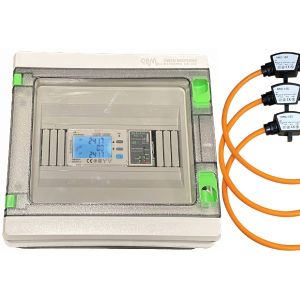
For larger cables, busbars or installations where space is limited, flexible Rogowski coils may be another suitable option.
These are designed to fit around conductors and can be particularly useful where conventional CTs are difficult to accommodate.
Our team can help advise on the most suitable metering equipment based on the installation requirements.
Remote Monitoring for Commercial Properties
For landlords and managing agents looking after multiple tenants, collecting meter readings manually can be time-consuming.
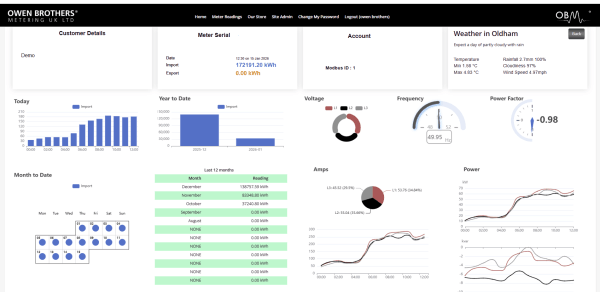
Our remote electricity monitoring systems allow electricity consumption to be viewed online without having to visit each meter individually.
Using compatible Modbus electricity meters and communication equipment, readings can be collected automatically and accessed through our online monitoring portal.
Depending on the installation, communication options include 4G and Ethernet connections, with wireless solutions also available for certain applications.
Benefits of remote monitoring include:
- Automatic collection of electricity meter readings.
- Access to consumption data through an online portal.
- Half-hourly electricity usage readings as standard.
- Daily, weekly, monthly and yearly data reports.
- CSV downloads for billing and record keeping.
- The ability to monitor multiple meters across one site.
- Reduced time spent collecting manual readings.
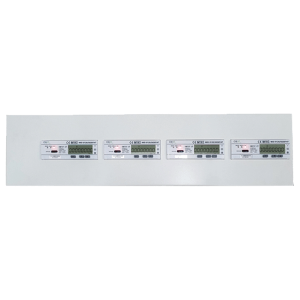
For larger properties, multiple electricity meters can be connected to a single communication modem, helping to simplify the monitoring setup.
We also offer automated reporting options, making it easier for landlords and managing agents to access the information they need for tenant billing.
Example: Sub-Metering a Multi-Tenant Commercial Building
Consider a commercial building containing three separate businesses:
- A workshop operating machinery on a three-phase supply.
- A small office with a single-phase supply.
- A studio unit with a single-phase supply.
Without individual meters, the landlord may have to estimate each tenant's electricity usage or divide the overall bill between the three businesses.
However, their electricity consumption is unlikely to be equal.
By installing suitable electricity sub-meters for each unit, the landlord can record the actual consumption of each business.
If the meters are connected to a remote monitoring system, the readings can also be collected automatically and viewed online.
This provides a clearer record of electricity usage and makes preparing tenant electricity charges much more straightforward.
Common Things to Check When Installing Commercial Sub-Meters
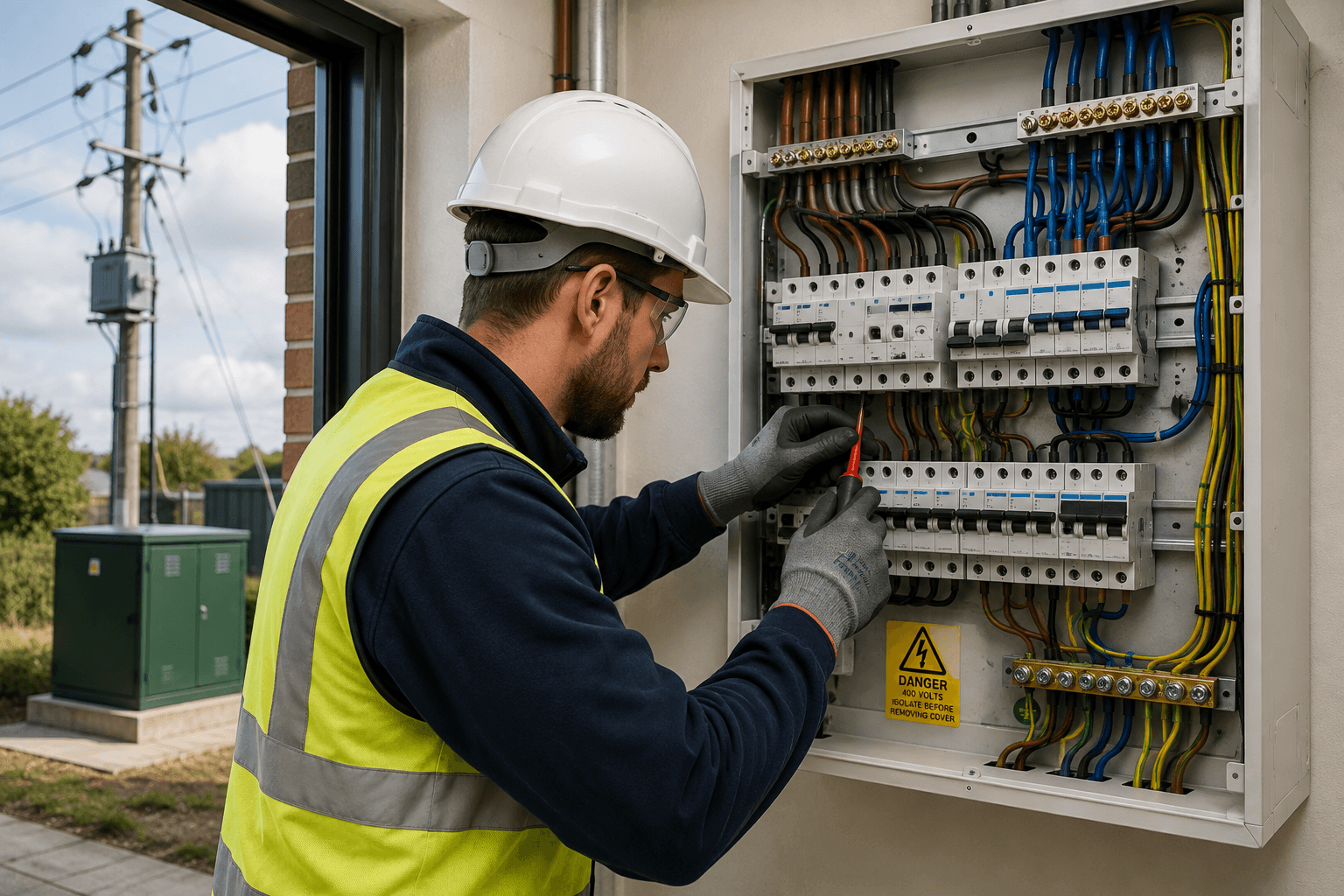
When planning a commercial sub-metering installation, there are a few important points to consider.
1. Choose the correct meter for the supply
Check whether the installation is single-phase or three-phase, along with the current rating and any communication requirements.
2. Check the meter approval
If the readings will be used for billing, ensure the meter has the appropriate approval for the intended application.
3. Select the correct current transformers
Where CT-operated meters are required, the CT rating and configuration must be suitable for the installation.
4. Record opening meter readings
When tenants move into or leave a property, recording the meter reading and date helps maintain accurate billing records.
5. Consider remote monitoring
For properties with several tenants or meters located in different areas, remote monitoring can save time and make consumption data much easier to access.
Commercial Sub-Metering Solutions from Owen Brothers Metering
At Owen Brothers Metering, we've been supplying electricity metering equipment since 1953 and offer a wide range of solutions for commercial and industrial applications.
Our range includes single-phase and three-phase electricity meters, MID-approved meters, CT-operated meters, Rogowski coil options and complete remote monitoring systems.
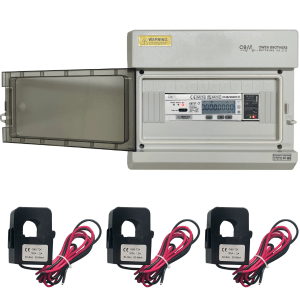
We also supply pre-wired metering kits, which can help simplify installation and ensure the correct equipment is supplied together.
Whether you need to monitor a single commercial unit or several tenants across a larger site, we're happy to help you find a suitable solution.
If you're unsure which meters you need, just get in touch with our team and let us know a little about your installation, including the supply type, current rating and number of meters required. We'll be happy to advise on the available options.
Contact Owen Brothers Metering to discuss your commercial sub-metering requirements.
Frequently Asked Questions
Can landlords charge commercial tenants for electricity?
Yes. Commercial landlords can generally recharge tenants for electricity in accordance with their lease or service charge arrangements. The method of charging should be clearly established, and any applicable legal requirements should be followed.
Do commercial electricity sub-meters need MID approval?
Where meter readings are used for billing, an appropriately approved meter should be used. MID-approved meters are commonly specified for commercial sub-metering applications.
Can I monitor several commercial electricity meters remotely?
Yes. Multiple compatible electricity meters can be connected to a remote monitoring system, allowing consumption data from different units or areas to be accessed through one online portal.
Can sub-meters be installed in an existing commercial building?
Yes. Many commercial sub-metering systems can be retrofitted to existing installations. The equipment required will depend on the available space, cable sizes, electrical supply and accessibility.
Can commercial sub-metering help reduce electricity costs?
Sub-metering doesn't directly reduce electricity consumption, but it can help identify where electricity is being used. Having access to detailed consumption data may highlight opportunities to improve energy efficiency and reduce unnecessary usage.