
Gas and Electric Meters UK: Do You Need Separate Meters? 2026 Guide

If you manage a property in the UK that has both a gas and an electricity supply, one of the first questions you are likely to ask is whether you need a separate meter for each. The short answer is yes. Gas and electricity are measured by completely different devices, governed by separate regulations, and installed by different tradespeople.

This guide explains how gas and electric meters differ, what the legal requirements are for each, how sub-metering works for both utilities, and where Owen Brothers fits into the picture for landlords and commercial property managers.

Do You Need Separate Gas and Electric Meters?

Yes. In the UK, gas and electricity are always metered separately. A gas meter measures the volume of gas consumed, recorded in cubic metres or cubic feet and then converted to kWh for billing purposes. An electricity meter measures electrical energy directly in kilowatt-hours (kWh).

The two utilities use completely different infrastructure, measurement methods, and safety standards. There is no combined gas and electricity meter. If your property has both a gas supply and an electricity supply, you will have two separate meters, one for each utility.

For smart meters, the same principle applies. According to MoneySavingExpert, you get one meter for gas and one for electricity, and they will usually go where your existing meters are.

Do You Need Separate Meters image
How Gas Meters Work in the UK image

How Gas Meters Work in the UK

A gas meter measures the volume of gas flowing through the supply pipe into a property. Readings are recorded in cubic metres (m3) on modern meters, or in cubic feet (ft3) on older imperial meters. Your energy supplier converts the volume reading to kWh for billing purposes using a calorific value and a conversion factor.

The main types of gas meter found in UK properties are:

  • Standard credit gas meters (the most common type, requiring manual readings)
  • Smart gas meters (SMETS2, transmitting readings automatically to the supplier)
  • Prepayment gas meters (pay before you use, topped up via key, card, or app)
  • Gas sub-meters (privately installed downstream of the main meter for tenant billing)

Any gas meter used for billing purposes must be of an approved pattern under the Gas Act 1986 and, for new installations, must hold MID approval under the Measuring Instruments Regulations 2016. The use and performance of gas meters in the UK is governed by Section 17 of the Gas Act 1986 and supporting statutory instruments.

How Electric Meters Work in the UK

An electricity meter measures electrical energy consumed by a property in kilowatt-hours (kWh). The reading accumulates from zero as electricity is used and is read periodically to calculate consumption and bills.

The main types of electricity meter found in UK properties and commercial premises are:

  • Standard single rate meters (one unit rate, manual readings)
  • Dual rate meters (Economy 7 and Economy 10, day and night rates)
  • Smart meters (SMETS2, automatic readings every 30 minutes)
  • Prepayment electricity meters (pay before you use)
  • Electric sub-meters (privately installed for monitoring or tenant billing)

Any electricity meter used for billing purposes must comply with the Electricity Act 1989 and, for new installations, must hold MID approval under the Measuring Instruments Regulations 2016. The requirement applies equally to main utility meters and privately installed sub-meters used for tenant billing.

Owen Brothers: Electric Sub-Meters for Landlords and Businesses

→ Browse All Single Phase Electric Meters
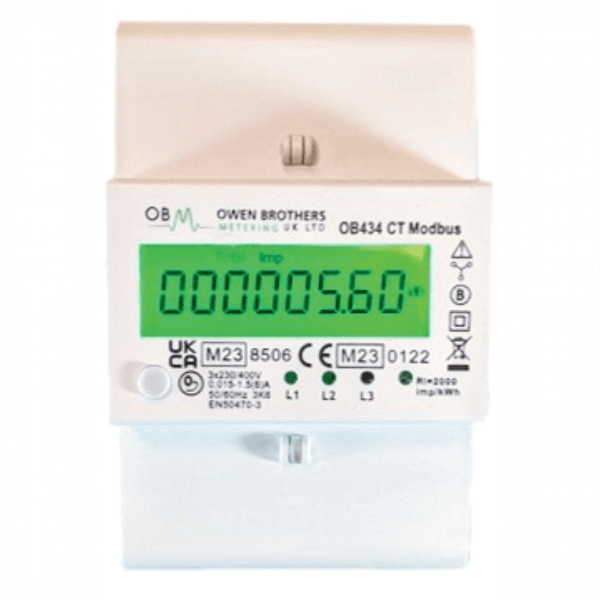
→ Browse All Three Phase Electric Meters
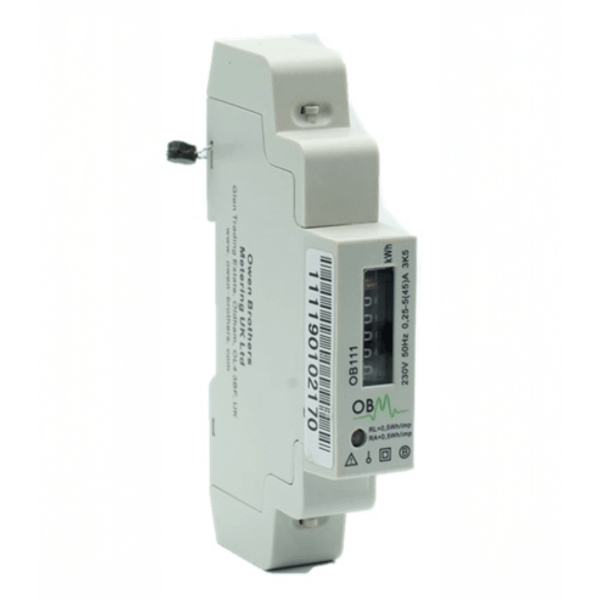
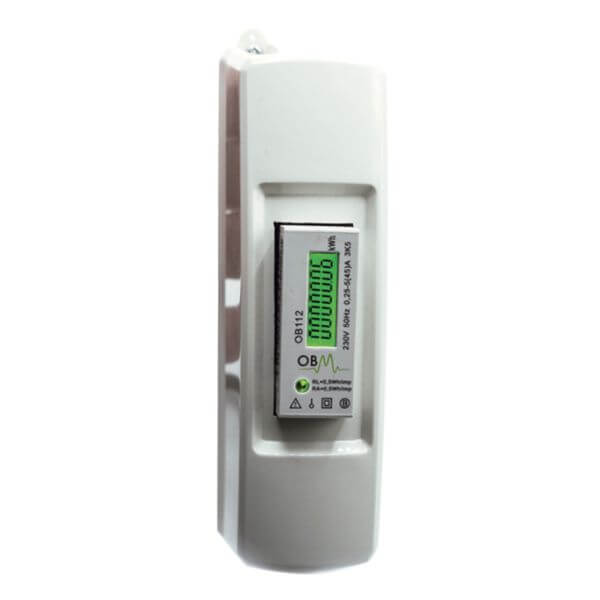
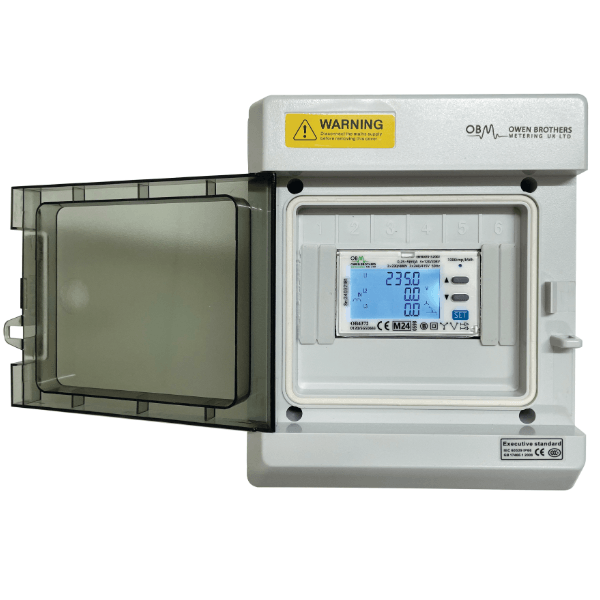
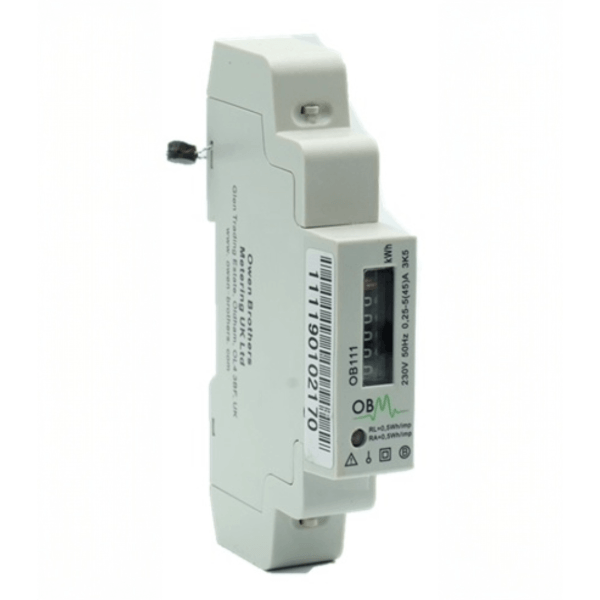
→ OB112 45A MID Approved DIN Rail Digital Meter
→ OB418 100A Single Phase MID Meter in IP66 Enclosure
→ Single Phase Meters in Enclosure

How Electric Meters Work in the UK image

Gas Meter vs Electric Meter: Key Differences

Feature Gas Meter Electric Meter
What it measures Gas consumption in m3 or ft3 Electricity consumption in kWh
Typical location Meter box outside or utility Meter box outside or consumer
Installation authority Gas Safe registered engineer only Part P registered electrician
Smart meter available? Yes (SMETS2) Yes (SMETS2)
Sub-metering possible? Yes (Gas Safe required) Yes (qualified electrician)
MID approval needed for billing? Yes Yes
Regulatory framework Gas Act 1986 and MIR 2016 Electricity Act 1989 and MIR 2016
Owen Brothers stock? Metro Gas METGAS (prepayment) Full range of electric sub-meters
Do Landlords Need Separate Gas image

Do Landlords Need Separate Gas and Electric Sub-Meters?

If you are a landlord managing a multi-tenancy property with both a gas and electricity supply, and you want to bill each tenant based on their actual consumption, you will need separate sub-meters for each utility.

The principle is the same for both: a sub-meter is installed downstream of the main utility meter and measures what a specific tenant or unit uses. The landlord then bills the tenant based on the sub-meter reading, subject to the Ofgem Maximum Resale Price rules.

Electric Sub-Metering: Where to Start

For most landlords, electric sub-metering is the natural starting point. Electric sub-meters are straightforward to install on existing distribution boards, the data they provide is immediately useful for tenant billing, and the hardware is cost-effective. A qualified electrician can install a single phase DIN rail meter on a standard residential circuit in a matter of hours.

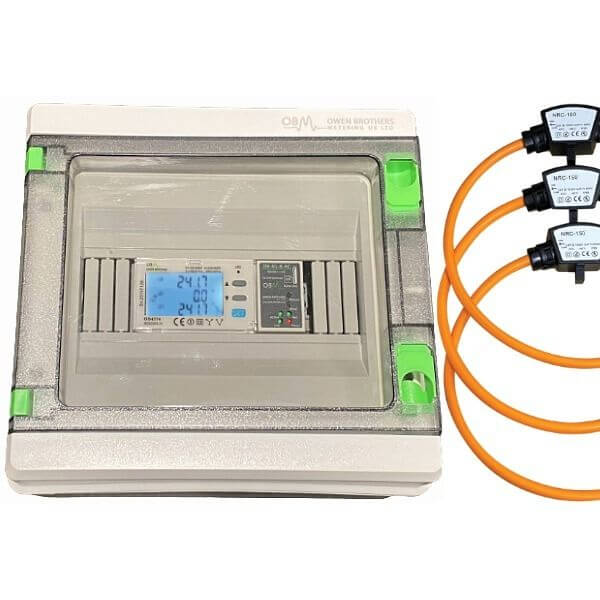
For most residential properties including HMOs, student lets, and small apartment blocks, a single phase meter handles the job. Larger commercial buildings, units with industrial equipment, or properties with three-phase supplies need three phase meters, potentially CT- operated if the current exceeds the meter's direct connection rating.

Owen Brothers: Electric Sub-Meters

→ Single Phase DIN Rail Meters
→ Three Phase CT Operated Meters
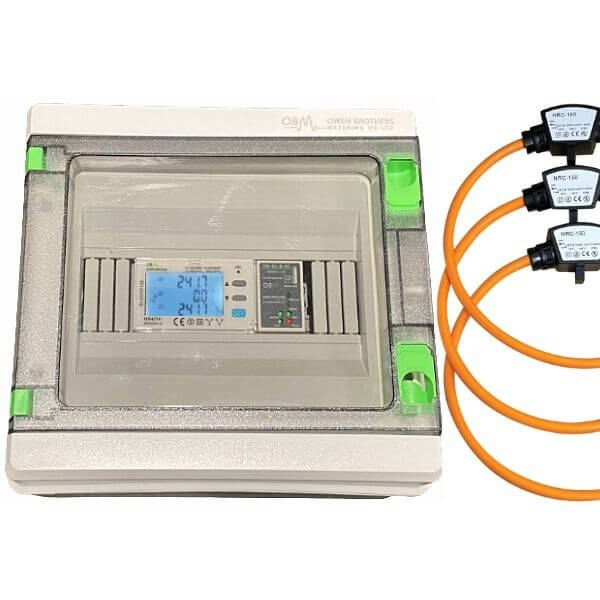
→ Three Phase Meters in Enclosure
→ Current Transformers Range

Electric Sub-Metering: Where to Start image
Gas Sub-Metering: What You Need to Know image

Gas Sub-Metering: What You Need to Know

Gas sub-metering is possible but involves additional complexity compared to electric sub- metering. Any work on gas pipework or fittings must be carried out by a Gas Safe registered engineer, and gas sub-meters must hold appropriate approval for billing use.

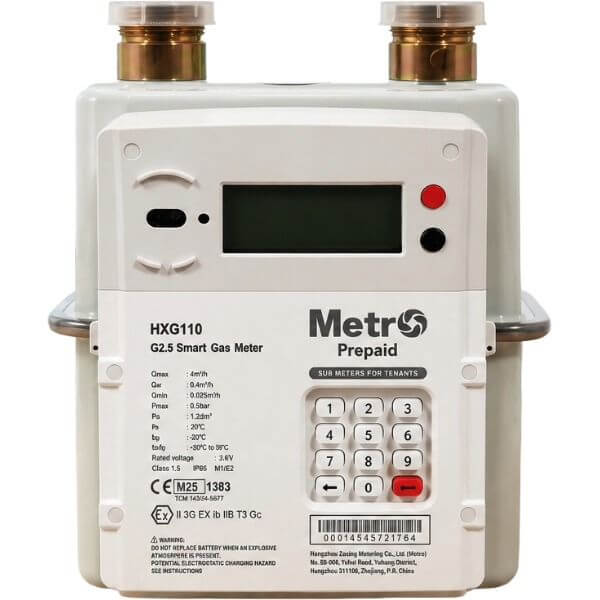
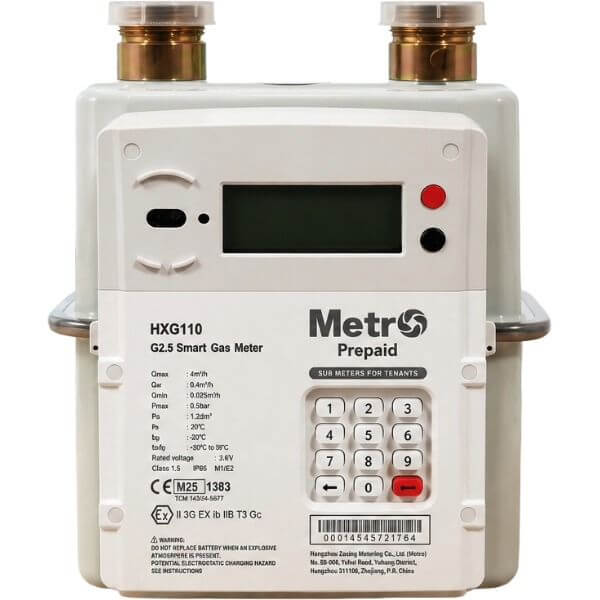
For properties with communal gas supplies serving multiple tenants, gas sub-metering allows the landlord to attribute gas consumption to individual units. Owen Brothers stock the Metro Gas STS pre-payment meter for landlord gas metering applications.

Water and gas sub-meters are similarly priced to electric meters, though gas installation costs more due to the Gas Safe requirements for all gas work.

Owen Brothers: Gas Prepayment Meter

→ Metro Gas STS Prepayment Meter (METGAS)

Smart Meters for Gas and Electricity: Are They the Same?

Smart meters are available for both gas and electricity but are separate devices. A SMETS2 smart meter installation typically involves both a gas smart meter and an electricity smart meter, with a single communications hub installed near the electricity meter that handles data transmission for both.

As of September 2025, smart gas meter rollout lags behind smart electricity meter rollout across Europe, including in Great Britain. Some properties receive a smart electricity meter before a compatible smart gas meter is available, depending on the supplier and communications coverage in the area.

Smart Meters for Gas and Electricity image
Legal Framework image

The Legal Framework for Gas and Electric Meters in the UK

The legal requirements for gas and electric meters share the same foundation but are governed by separate primary legislation.

Gas meters: Governed by Section 17 of the Gas Act 1986. Any gas meter used for billing must be of an approved pattern. Since 2006, new gas meters are also approved under the Measuring Instruments Directive (MID) as implemented by the Measuring Instruments Regulations 2016.

Electric meters: Governed by Schedule 7 of the Electricity Act 1989. Any electricity meter used for billing must be of an approved pattern or construction. Since 2006, new electricity meters are also approved under MID as implemented by the Measuring Instruments Regulations 2016.

For landlords, the key practical requirement is that any meter used to calculate a tenant bill, whether gas or electric, must hold MID approval for new installations. Using a non-approved meter for billing exposes the landlord to legal challenge. A tenant can challenge a bill if the underlying meter is not approved.

There is also an important penalty to be aware of. There is a fine of up to £5,000 for installing or re-installing a meter which is not MID certified to measure electricity or gas consumption for billing purposes.

Owen Brothers: MID Approved Meters for Billing

→ Browse All Single Phase MID Approved Meters
→ Browse All Three Phase MID Approved Meters
→ Metro Gas STS Prepayment Meter (METGAS)
→ Metro 80A Single Phase Pre-Payment Electric Meter

Maximum Resale Price Rules for Gas and Electricity

Whether you are sub-metering gas, electricity, or both, the Ofgem Maximum Resale Price rules apply to both utilities. Under the Electricity Act 1989 and the Gas Act 1986, landlords who resell energy to tenants cannot charge more than the rate they pay their own supplier, including unit rates, standing charges, and VAT.

Ofgem opened a Call for Input on the Maximum Resale Price rules in October 2025, the first formal review in over 20 years. Landlords should monitor Ofgem's website for any changes to the current guidance as this review progresses.

Prepayment Options for Gas and Electricity

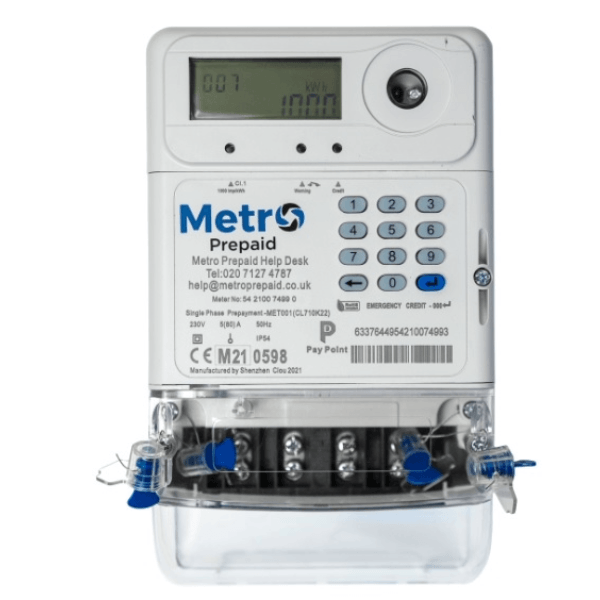
For landlords who want tenants to pay in advance for both gas and electricity, prepayment sub-meters are available for both utilities. Owen Brothers stock the Metro range of prepayment meters for both gas and electric sub-metering applications.

Smart prepayment systems now allow tenants to top up online or via mobile app, removing the need for physical tokens or cards. The landlord receives a portal showing real-time balances and consumption per unit, and monthly payments are transferred automatically.

Owen Brothers: Prepayment Meters for Gas and Electricity

→ Metro Pre-Payment Meters Range
→ Metro 80A Single Phase Pre-Payment Electric Meter (MET001)
→ Metro Gas STS Prepayment Meter (METGAS)
→ IC Smart Card

Prepayment Options for Gas and Electricity image
Remote Monitoring for Gas image

Remote Monitoring for Gas and Electric Sub-Meters

For landlords managing multiple units or multiple properties, reading gas and electric sub-meters manually on a regular basis is time-consuming. Owen Brothers' OBM-LoRa remote monitoring system attaches to compatible electric sub-meters and transmits readings wirelessly to the ReadMyMeter online portal. Consumption data is visible in real time from a laptop or phone, without visiting the property.

Owen Brothers: Remote Monitoring

→ Remote Monitoring Overview
→ OBM-LoRa Wireless Monitoring Units
→ OB4373 Rogowski Monitoring Kit with 12 Months Remote Access

Frequently Asked Questions

Do gas and electric meters need to be in the same location?

No. Gas and electricity meters can be located in different places on the property. In most UK homes and commercial buildings they are both located in an external meter box or utility cupboard, but they are separate devices and do not need to be adjacent.

Can I install a gas sub-meter myself?

No. All gas meter installations must be carried out by a Gas Safe registered engineer. It is illegal in the UK for anyone who is not Gas Safe registered to work on gas fittings, pipework, or meters. Electric sub-meters must be installed by a qualified electrician.

Do I need separate MID approval for gas and electric meters?

MID approval is required for both gas and electric meters used for billing. The approval process is separate for each meter type, and you should confirm MID approval for each meter individually before purchase. Owen Brothers MID-approved meters are clearly labelled on product pages.

Can I charge tenants more than I pay my supplier for gas or electricity?

No. Ofgem's Maximum Resale Price rules apply to both gas and electricity. You can only charge tenants what you pay your own supplier for the same energy, including unit rates, standing charges, and VAT. You cannot profit from energy resale.

Does Owen Brothers supply gas meters as well as electric meters?

Owen Brothers' primary range focuses on electric sub-metering, including single phase, three phase, CT operated, Rogowski coil, and remote monitoring products. Owen Brothers also stock the Metro Gas STS prepayment meter for gas sub-metering applications.

What is the penalty for using a non-MID approved meter to bill a tenant?

According to current guidance, there is a fine of up to £5,000 for installing or re-installing a meter that is not MID certified for billing purposes. Beyond the fine, a tenant can challenge a bill if the underlying meter is not approved, leaving the landlord with a weak legal basis for the charge.

Trustpilot